
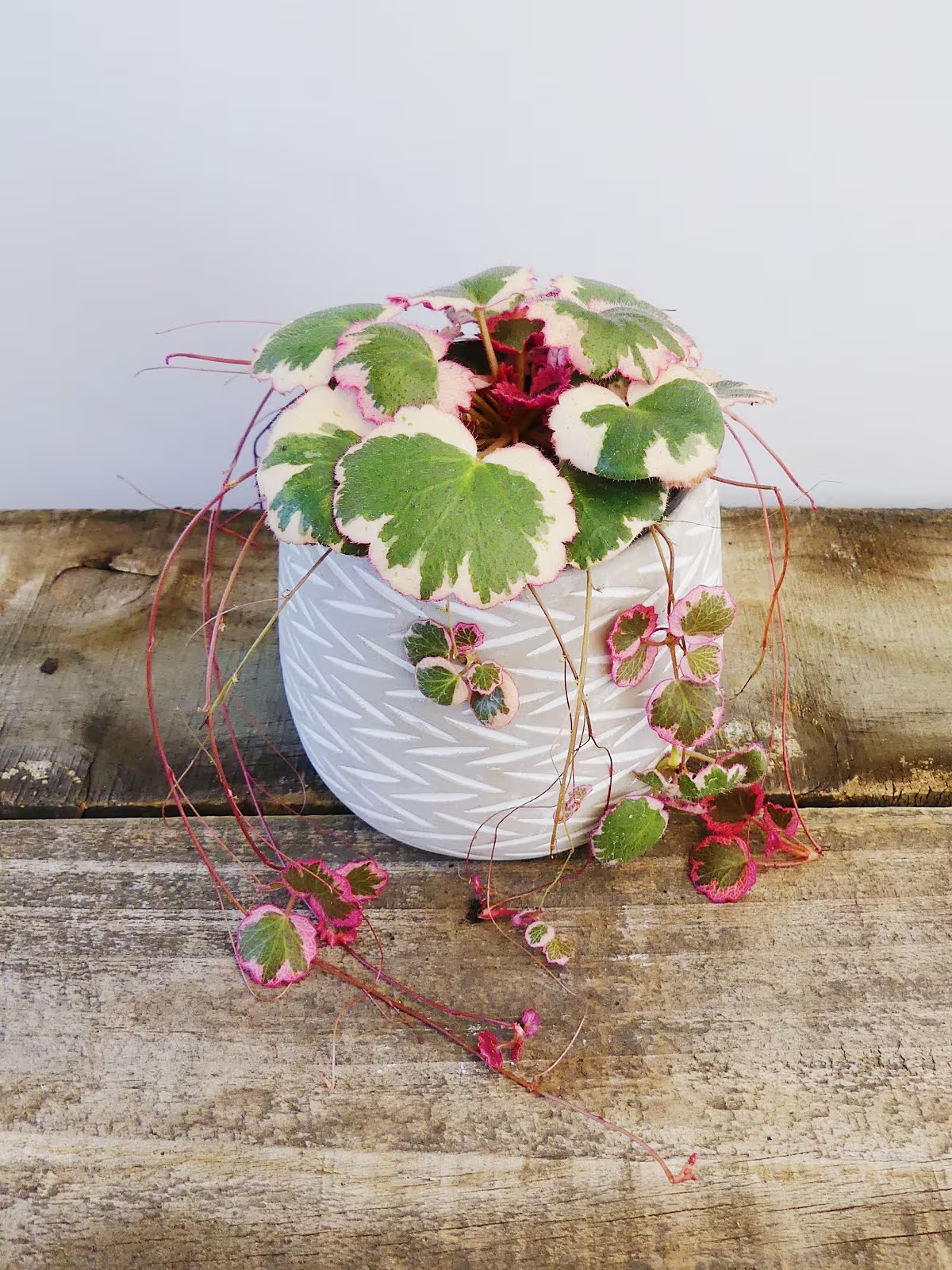
Despite its common name, the Strawberry Begonia is neither a true strawberry nor a begonia. It gets its name from the strawberry-like runners it produces and begonia-like leaves. This plant is valued for its ornamental foliage, graceful growth habit, and adaptability to indoor and outdoor conditions in temperate climates.
Quick Facts
- Botanical Name: Saxifraga stolonifera
- Common Names: Strawberry Begonia, Strawberry Geranium, Creeping Saxifrage
- Type: Herbaceous perennial (houseplant or groundcover)
- USDA Zones: 6–9 outdoors; anywhere indoors
- Height: 4–8 inches
- Spread: Up to 18 inches with runners
- Growth Habit: Low-growing, spreading, and cascading
- Flowering: Late spring to early summer
- Flower Color: Small white blooms with yellow and pink markings
Foliage Features
- Rounded, velvety leaves with deep veining and scalloped edges
- Undersides often have a reddish hue
- Produces stolon-like runners (like strawberries), which root and form new plants
Ideal Growing Conditions
Light
- Bright, indirect light is best.
- Tolerates medium light but may grow slower.
- Avoid direct sunlight—it can scorch the leaves.
- Outdoors, choose dappled shade or morning sun with afternoon shade.
Temperature
- Prefers temps between 60–75°F (15–24°C).
- Protect from cold drafts and extreme heat.
- Indoors: Avoid placing near heaters or cold windows.
- Outdoors: Hardy in Zones 6–9; mulch in colder zones or grow in containers to overwinter indoors.
Humidity
- Likes moderate to high humidity.
- Great for bathrooms, terrariums, or grouped with other humidity-loving plants.
- If air is dry, increase humidity with a pebble tray or humidifier.
Soil and Potting
- Use a well-draining potting mix; standard houseplant mix is fine.
- Add perlite or sand to improve drainage if needed.
- A shallow, wide container works well due to its spreading habit.
Watering
- Keep the soil evenly moist but never soggy.
- Water when the top inch of soil feels dry.
- Reduce watering in winter when growth slows.
- Avoid getting water on the leaves to prevent rot and mildew.
Fertilizing
- Feed monthly during spring and summer with a balanced liquid houseplant fertilizer, diluted to half strength.
- Do not fertilize in winter.
Propagation
- Extremely easy to propagate via runners (stolons).
- Simply pin a runner with a baby plantlet into soil (in the same or a separate pot).
- Once roots form (usually in 2–3 weeks), it can be severed from the parent plant.
Maintenance and Pruning
- Remove any dead or yellowing leaves to keep the plant tidy.
- Pinch runners if you want to limit spread and encourage fuller growth.
- Trim flowering stems after blooming.
Pests and Problems
- Watch for:
- Spider mites, mealybugs, and aphids—treat with insecticidal soap or neem oil.
- Root rot—caused by overwatering or poor drainage.
- Powdery mildew—if airflow is low and humidity is too high.
Indoor vs Outdoor Use
Indoors
- Great for hanging baskets, shelves, or terrariums.
- A good option for lower light spots with consistent moisture.
Outdoors
- Use as groundcover in shaded gardens.
- Spreads well under trees or in rock gardens in temperate zones.
- Bring inside before frost in colder climates.
Summary of Care
| Condition | Requirement |
|---|---|
| Light | Bright, indirect; dappled outdoor shade |
| Water | Keep evenly moist; allow slight drying |
| Soil | Well-draining, rich in organic matter |
| Temperature | 60–75°F; protect from frost indoors |
| Humidity | Moderate to high |
| Fertilizer | Monthly in growing season |
| Propagation | Easy by runners |
| Use | Houseplant, hanging basket, shaded groundcover |