
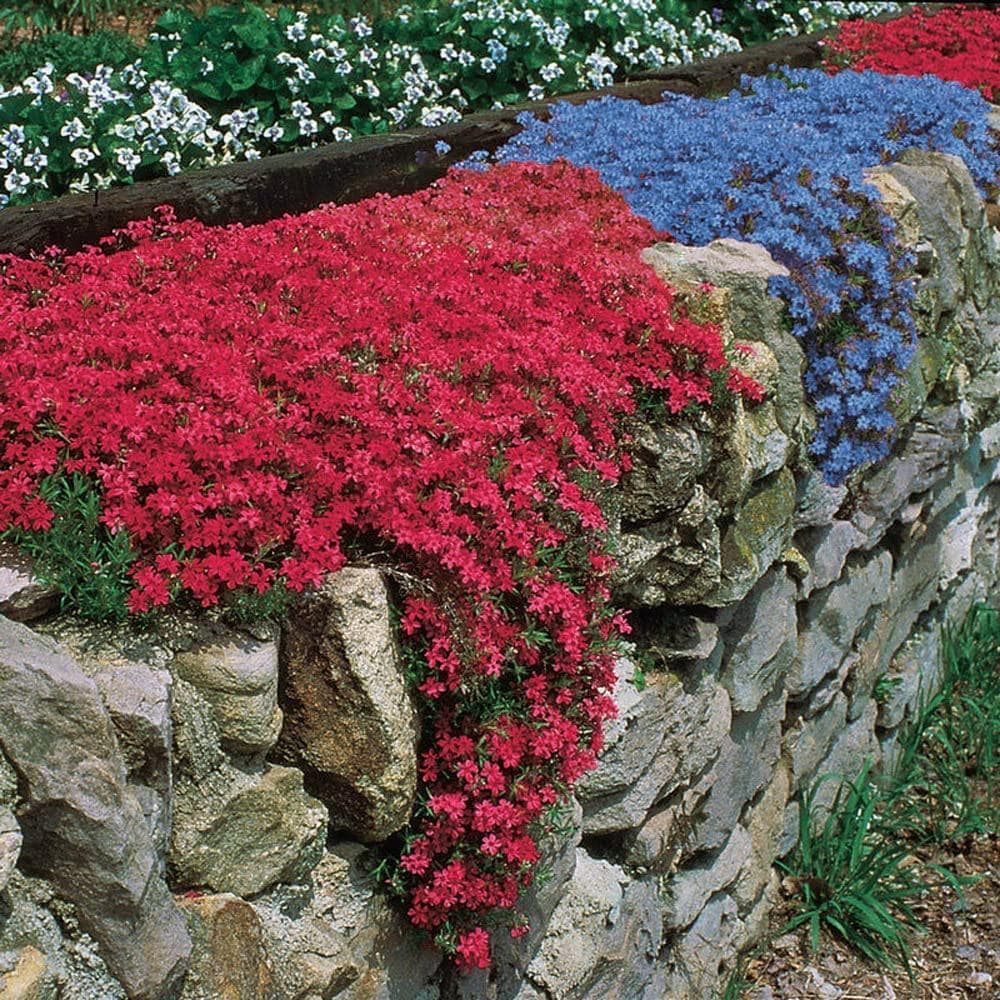
Red Rock Cress (Arabidopsis arenosa or sometimes Arabis alpina for certain cultivars) is a small, attractive, and hardy perennial plant from the mustard family (Brassicaceae). Known for its bright red to pinkish flowers, it is a popular addition to rock gardens, container gardens, and other landscape designs. Native to parts of Europe, Red Rock Cress is well-suited for colder climates and can add vibrant color to a garden during spring and early summer.
In this guide, we will explore the essential care, growing conditions, and other aspects of cultivating Red Rock Cress.
1. Overview of Red Rock Cress
Red Rock Cress is a low-growing, compact perennial that typically reaches a height of 6 to 12 inches (15 to 30 cm) and has a spread of about 12 inches (30 cm). It forms dense, cushion-like clumps of foliage and boasts clusters of striking red to pink flowers, which bloom in late spring to early summer. The leaves are typically narrow and form a rosette shape, with a silvery-green or blue-green hue, making it an appealing ground cover or border plant.
This plant is known for its adaptability to rocky and well-drained soils, which is why it’s commonly found in alpine meadows and rocky slopes in its native habitat. Its hardy nature also makes it ideal for colder climates (USDA hardiness zones 3-7).
2. Planting Red Rock Cress
Proper planting is essential to ensure the success of your Red Rock Cress, especially since it thrives in certain conditions.
a. Choosing the Right Location
Red Rock Cress prefers full sun to partial shade. In areas with warmer climates, providing some afternoon shade can help protect the plant from the harshest heat of the day, but in colder climates, it will thrive in full sun.
It does best in well-drained, rocky, or sandy soils. This makes it an excellent choice for alpine or rock gardens. Avoid areas where the soil tends to retain moisture, as Red Rock Cress is drought-tolerant and dislikes soggy roots.
b. Soil Requirements
The soil should be moderately fertile but well-drained. This plant can tolerate dry conditions and poor soils but will not thrive in overly rich or waterlogged soil. The pH should be neutral to slightly alkaline, ranging from 6.0 to 7.5.
Before planting, it’s helpful to prepare the soil by loosening it and adding organic matter, such as compost or small stones, to improve drainage if necessary.
c. Planting Procedure
- Dig a Hole: Make a hole that’s about twice the size of the plant’s root ball.
- Place the Plant: Gently remove the plant from its pot and place it in the hole, ensuring the top of the root ball is level with the surrounding soil.
- Backfill and Water: Fill the hole with soil, firming it around the root ball. Water thoroughly after planting to help the roots settle in.
For planting in rock gardens, space the plants 12 to 18 inches apart, depending on the variety, to allow for good air circulation and growth.
3. Caring for Red Rock Cress
Though Red Rock Cress is a hardy plant, proper care ensures optimal growth and health.
a. Watering
Once established, Red Rock Cress is quite drought-tolerant and does not need frequent watering. Water the plant moderately when it’s first planted to establish strong roots, and during particularly dry spells in summer. However, avoid overwatering, as it can lead to root rot and other issues. The plant does well in relatively dry conditions once it’s settled into its growing location.
b. Fertilizing
This plant doesn’t require heavy fertilization, as it thrives in poor soils. If you choose to fertilize, use a balanced, slow-release fertilizer in early spring before the plant begins to bloom. Too much fertilizer, especially high-nitrogen fertilizers, can lead to excessive foliage growth at the expense of flowers.
c. Pruning and Deadheading
To encourage more flowers and maintain a tidy appearance, you can deadhead spent flowers. This not only improves the plant’s appearance but also helps promote further blooming throughout the growing season. If the plant becomes too leggy or overgrown, light pruning can be done after flowering to maintain its shape.
d. Mulching
Mulching around Red Rock Cress can help maintain soil moisture during dry periods, though it’s not strictly necessary due to the plant’s drought tolerance. If you choose to mulch, make sure the mulch is applied sparingly and does not touch the plant’s stems, as it can encourage rot.
4. Pests and Diseases
Red Rock Cress is relatively pest-resistant but may encounter some problems typical of plants in the Brassicaceae family.
a. Common Pests
- Aphids: These small insects suck sap from the plant’s leaves, causing distortion and potentially transmitting diseases. Aphids can be controlled with insecticidal soap or by hosing them off with water.
- Cabbage Worms: These pests can chew holes in the leaves. If infestations are heavy, they can be controlled by hand-picking or using an organic insecticide like Bacillus thuringiensis (Bt).
- Slugs and Snails: These creatures can feed on young plants, leaving unsightly holes. Slug bait or beer traps can help reduce the population.
b. Diseases
- Downy Mildew: A fungal disease that can affect Red Rock Cress, leading to yellowing and distortion of leaves. Ensure adequate spacing between plants to allow air circulation and avoid overhead watering to minimize the risk.
- Powdery Mildew: Another fungal disease that can appear as a white, powdery coating on the leaves. Ensure the plant receives adequate sunlight and avoid excess humidity around the plant.
Most diseases and pests can be managed through good cultural practices, including proper spacing, watering at the base of the plant, and removing affected leaves.
5. Propagation
Red Rock Cress can be propagated through seeds or division.
a. Seed Propagation
- Start Indoors: If growing from seed, start seeds indoors about 6-8 weeks before the last frost date. Sow seeds in seed-starting trays filled with well-draining seed compost, lightly pressing them into the soil. Keep the seeds moist and place them in a warm, sunny location. Transplant seedlings outside once the danger of frost has passed and they have developed a few sets of true leaves.
- Direct Sowing: In mild climates, Red Rock Cress can be direct-sown outdoors in early spring. Simply scatter the seeds in the prepared soil and lightly cover them with a thin layer of soil.
b. Division
To propagate by division, dig up mature plants in early spring or fall and divide the root ball into smaller sections. Replant the sections immediately, ensuring they have enough space to establish themselves.
6. Uses of Red Rock Cress
Aside from being a beautiful addition to rock gardens and borders, Red Rock Cress has several uses:
- Rock Gardens: Its small size, dense growth habit, and vibrant flowers make it perfect for rock and alpine gardens, adding texture and color to these often dry, harsh environments.
- Ground Cover: It can be used as a ground cover in dry, rocky areas where other plants may struggle.
- Container Gardening: Due to its compact size, Red Rock Cress is well-suited for container gardening, adding a pop of color to patios, balconies, or small spaces.
- Pollinator Garden: The plant’s flowers attract bees and other pollinators, making it an excellent choice for wildlife and pollinator-friendly gardens.
7. Conclusion
Red Rock Cress is a beautiful and hardy perennial that can brighten up your garden with its red or pink flowers. It’s perfect for rock gardens, alpine beds, or even container gardens. Its drought tolerance, low maintenance, and resistance to pests make it an easy plant to grow for both beginners and experienced gardeners alike. By providing it with the right environment—well-drained soil, full sun, and moderate watering—you can enjoy its beauty for years to come. Whether you’re looking to enhance your garden’s appearance or create a haven for pollinators, Red Rock Cress is an excellent choice.